


Home plumbing can be a real headache sometimes, can’t it? You think everything’s fine, and then BAM! A drip, a clog, or worse. It’s easy to feel overwhelmed when something goes wrong with your pipes or fixtures. But honestly, a lot of the common issues you’ll run into with your residential plumbing aren’t as scary as they seem. We’ve put together a list of the top 5 problems homeowners often face and some straightforward ways you might be able to tackle them yourself. So, grab your toolbox (or just your phone to call for help!), and let’s get started.
Key Takeaways
-
Clogged drains are super common and can often be cleared with a plunger or a baking soda and vinegar mix, but serious clogs might need a pro.
-
Dripping faucets usually mean a worn-out washer or cartridge needs replacing, a pretty simple DIY fix for many.
-
Leaky pipes can cause damage, but simple fixes like pipe repair kits or putty can seal small holes or cracks.
-
Low water pressure might be due to mineral buildup, which can often be cleaned off showerheads and faucets with vinegar.
-
Running toilets waste a ton of water and usually point to a faulty flapper or fill valve that can be replaced.
1. Clogged Drains
Ugh, clogged drains. Nobody likes them, and they seem to pop up at the worst times, don’t they? Whether it’s a sink that’s draining slower than molasses or a shower where you’re practically standing in a puddle, a blocked drain is a real pain.
So, what’s usually going on in there? Mostly, it’s a buildup of stuff. In bathrooms, hair and soap scum are the usual suspects. They get tangled up and create a sticky mess that traps other bits and pieces. Kitchen sinks often deal with grease, food particles, and coffee grounds. All of this gunk sticks to the inside of your pipes, making the opening smaller and smaller until water just can’t get through.
The most common culprits behind a stubborn clog are hair, soap residue, and grease.
Here’s a quick rundown of what causes them and how you might tackle them:
-
Hair and Soap Scum: This is a big one for showers and tubs. Over time, hair catches on soap residue, creating a dense mat that blocks water flow.
-
Grease and Food Scraps: In the kitchen, pouring hot grease down the drain might seem like a good idea, but it solidifies as it cools, sticking to pipes and trapping other debris. Even small food particles can add up.
-
Foreign Objects: Sometimes, things just accidentally go down the drain. Think small toys, cotton swabs, or even those
2. Dripping Faucets
That constant drip, drip, drip from your faucet isn’t just annoying; it’s a silent water waster and can really hike up your water bill. Most of the time, this problem comes down to a worn-out washer or O-ring inside the faucet. These little rubber parts are supposed to create a seal when you turn the water off, but over time, they can get old, brittle, or damaged by minerals in the water. When that seal breaks down, water seeps through, and you get that persistent drip.
Fixing a dripping faucet is often a DIY-friendly job, and it’s a great way to save some money and water. Here’s a general idea of how it’s done:
-
Turn off the water supply: This is the most important first step. Look for the shut-off valves under the sink and turn them clockwise until they stop.
-
Disassemble the faucet: You’ll usually need to remove the handle, which might involve prying off a decorative cap and unscrewing a bolt. Then, you can access the inner workings.
-
Identify and replace the worn part: This is typically a washer or an O-ring. Take the old one to the hardware store to get an exact match. Sometimes, it’s a cartridge that needs replacing.
-
Reassemble the faucet: Put everything back together in reverse order.
-
Turn the water back on: Slowly open the shut-off valves and check for leaks.
If you’re not comfortable taking things apart, don’t hesitate to call a plumber. They can usually fix it pretty quickly, especially if it’s a common faucet model. They often have the necessary parts on hand, making the repair fast and easy. Addressing this issue promptly can prevent further damage and save you from a surprisingly large amount of wasted water over time. You can find replacement parts for many common faucet types at your local hardware store or online.
Sometimes, the simplest solutions are the most overlooked. A dripping faucet might seem minor, but the cumulative effect of that constant trickle can be significant. Taking a little time to address it can save you money and conserve a precious resource.
3. Leaky Pipes
Leaky pipes are a sneaky problem that can cause a lot of damage if you don’t catch them early. You might notice them because of water stains on your walls or ceilings, or maybe even a bit of mold starting to grow. Sometimes, it’s just a sudden jump in your water bill that tips you off. It’s like the house is silently losing water, and you don’t even know it.
The biggest issue with leaky pipes is the potential for water damage. It can ruin drywall, warp flooring, and create a breeding ground for mold. Plus, that constant drip, drip, drip can be incredibly annoying, not to mention the wasted water.
Here are some common places to check:
-
Under sinks (kitchen and bathroom)
-
Around toilets and bathtubs
-
Basement or crawl space areas where pipes are exposed
-
Near water heaters and washing machines
If you spot a leak, don’t just ignore it. For minor leaks, sometimes a pipe repair kit or some pipe putty can do the trick. These kits are pretty straightforward and can seal up small holes or cracks. You just follow the instructions on the kit, usually involving cleaning the area and applying the sealant.
However, if the leak is significant, or if you’re seeing signs of corrosion or multiple leaks, it’s really best to call in a professional plumber. They have the tools and know-how to find the exact source of the problem and fix it right the first time. Trying to patch up a major leak yourself could end up making things worse and costing you more in the long run.
Keep an eye out for any unusual dampness or discoloration on your walls and ceilings. A little bit of attention now can save you a whole lot of trouble later.
4. Low Water Pressure
It’s really annoying when you turn on the shower and only a trickle comes out, right? Low water pressure throughout your house can make everyday tasks like washing dishes, doing laundry, or even just taking a decent shower a real hassle. It’s not just inconvenient; it can actually put a strain on appliances like your washing machine or dishwasher, potentially causing damage over time.
So, what’s going on? Well, it’s not always a huge, scary problem. Sometimes, it’s as simple as mineral deposits or corrosion building up inside your pipes, kind of like plaque in an artery, restricting the flow. This is especially common in older homes or areas with hard water. Another culprit could be a partially closed valve somewhere in your system, or maybe your main water shutoff valve isn’t fully open. If you’ve noticed this issue, it’s worth checking if your water meter valve is also fully open. Sometimes, the problem isn’t even inside your house but with the main water supply in your neighborhood.
Here are a few things you can check:
-
Clean aerators and showerheads: These little screens can get clogged with sediment. Unscrew them and give them a good soak in vinegar to dissolve any buildup. It’s a quick fix that often makes a noticeable difference.
-
Check your main shutoff valve: Make sure it’s fully open. Sometimes, it can get bumped or accidentally turned partially off.
-
Inspect your water meter valve: Similar to the shutoff valve, ensure this one is also fully open.
If the low pressure is only happening at one faucet or shower, the issue is likely isolated to that fixture. However, if you’re experiencing low pressure everywhere, it points to a more widespread problem, possibly with your main water line or even issues with the water supply to your home.
If you’ve tried these simple steps and the pressure is still weak, it might be time to call in a professional. They can inspect your pipes for internal blockages or corrosion and determine if a more involved repair, like replacing sections of pipe, is needed. Getting your water pressure back to normal means you can finally enjoy a proper shower again!
5. Running Toilets
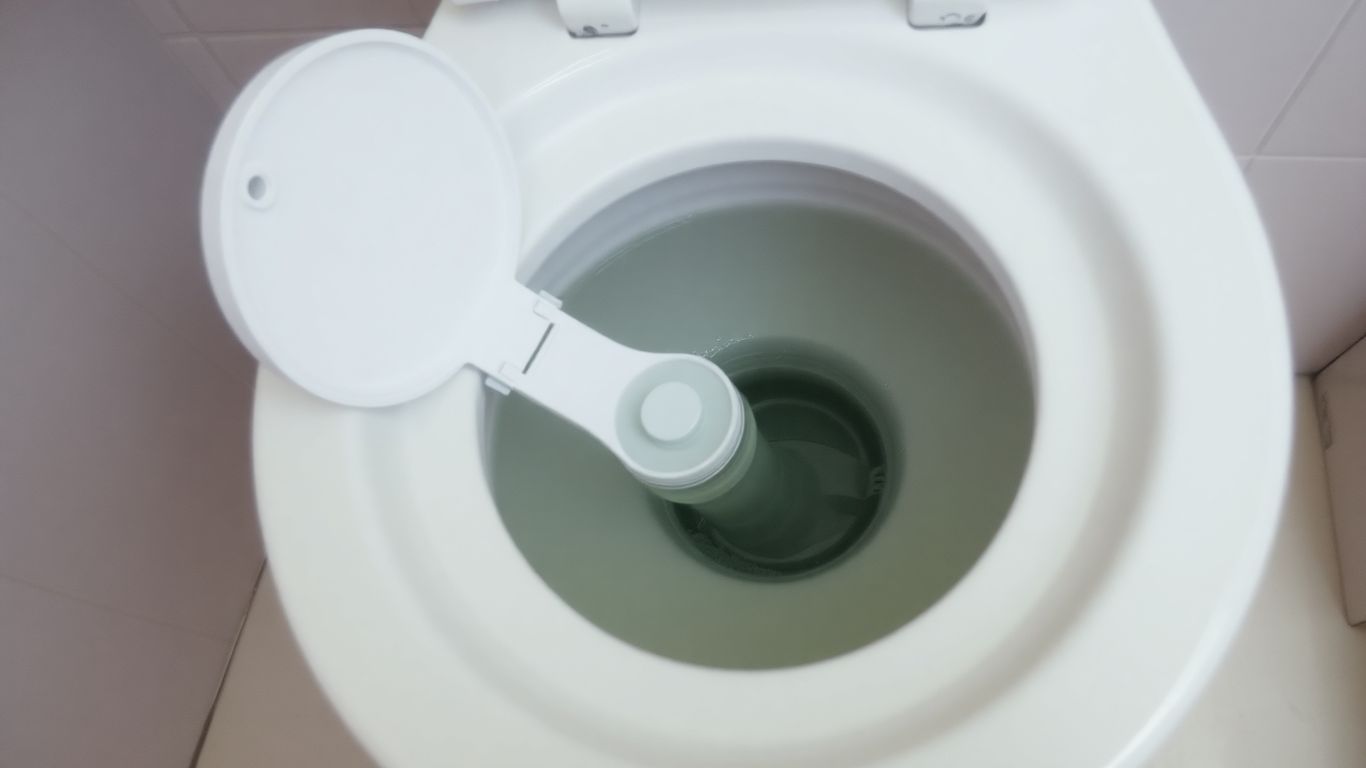
You know that sound? That faint trickle or whoosh coming from the bathroom when no one’s even using the toilet? Yeah, that’s a running toilet, and it’s a real water-waster. It might not seem like a big deal, but a toilet that constantly runs can send your water bill through the roof.
So, what’s usually going on in there? Most of the time, it’s one of two things: a faulty flapper or a problem with the fill valve. The flapper is that rubbery thing at the bottom of the tank that lifts up when you flush. If it’s old, warped, or just not sealing right, water keeps leaking from the tank into the bowl. You can often fix this by just replacing the flapper. It’s a pretty simple job, and you can find replacement parts at any hardware store. For more details on how to adjust or replace parts, you might want to check out some resources on toilet repair.
Another common culprit is the fill valve, which is responsible for refilling the tank after you flush. If this valve isn’t shutting off properly, or if the float (that little ball or cup thingy) is set too high, water will just keep flowing into the tank and then spill over into the overflow tube, making the toilet run. Adjusting the float is usually pretty straightforward – often just a screw or a dial. If the valve itself is damaged, you’ll need to replace that too.
Here’s a quick rundown of what to look for:
-
Listen: Can you hear water running into the bowl even when the toilet hasn’t been flushed?
-
Look: Open up the tank. Is the water level too high, spilling into the overflow tube? Does the flapper look worn out or not seated properly?
-
Feel: Does the flapper feel stiff or brittle?
Fixing a running toilet is usually a DIY-friendly task. It often involves simple adjustments or replacing inexpensive parts like the flapper or fill valve. Tackling this yourself can save you money and prevent unnecessary water waste.
If you’ve tried adjusting things and replacing parts, but the toilet still won’t quit running, it might be time to call in a professional plumber. Sometimes, there’s a more complex issue going on that’s not immediately obvious.
6. Garbage Disposal Jam
That humming sound when you flip the switch for your garbage disposal, but no grinding? That’s usually a sign it’s jammed. It’s a pretty common issue, especially if you’ve accidentally sent something down there that shouldn’t have gone. Think bones, fruit pits, or even fibrous stuff like celery stalks.
Don’t ever stick your hand in there to try and fix it. Seriously, that’s how people get hurt. The motor might be running, but the blades, or impellers as they’re called, are stuck. You might also notice the sink draining really slowly, or not at all, when the disposal is on.
Here’s a quick rundown on how to tackle a jammed disposal:
-
Check for the reset button: Most disposals have a small red or black button on the bottom or side. If it’s popped out, push it back in. Sometimes that’s all it takes.
-
Use the Allen wrench: Many disposals come with a special Allen wrench, or you can use a standard 1/4-inch one. There’s usually a hole in the very center of the bottom of the unit. Insert the wrench and try to turn it back and forth. This can help dislodge whatever is stuck.
-
Clear the drain: After you’ve freed the blades, run cold water and turn on the disposal again. If it’s still humming or not working, you might need to use a plunger to help clear the drain line itself.
If these steps don’t work, or if you’re not comfortable trying them, it’s best to call a plumber. They have the tools and know-how to safely get it working again without causing more damage.
Remember to always run cold water when using your garbage disposal, and avoid putting hard or stringy foods down it. A little bit of care goes a long way in preventing jams.
7. Water Heater Problems
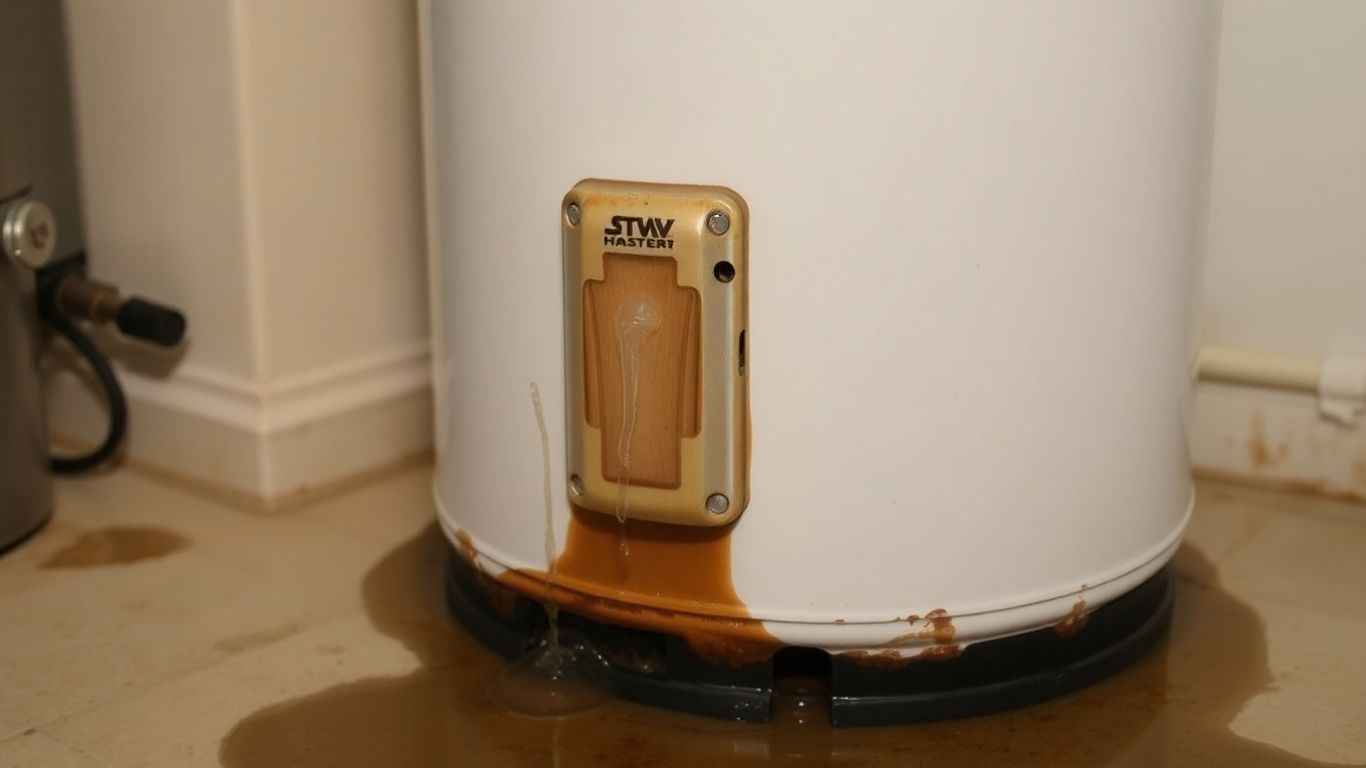
When your water heater starts acting up, it’s usually pretty obvious. You might notice your hot water running out way faster than it used to, or maybe it’s just not getting as hot as it should. Sometimes, the water temperature will swing wildly from hot to cold while you’re using it, which can be a real pain, especially in the shower. Another big clue is any sign of water pooling around the base of the heater. That could mean a leak from the tank itself or a problem with the pressure relief valve. And don’t ignore weird noises like popping, banging, or rumbling sounds coming from inside. That often points to sediment buildup, which isn’t great for your heater’s efficiency or how long it’ll last.
Don’t wait to address these signs, as a failing water heater can lead to bigger issues.
Here are some common water heater hiccups and what might be going on:
-
No Hot Water: This is the most common complaint. For electric heaters, check if a circuit breaker tripped or if the thermostat is set too low. If it’s a gas model, ensure the pilot light is on (if it has one) and the gas valve is open. Tankless heaters might just need a thermostat adjustment or could have an error code displayed.
-
Lukewarm Water: This often suggests a problem with the heating element (in electric models) or the thermostat not working correctly. Sediment buildup can also insulate the heating elements, making them less effective.
-
Strange Noises: Popping or rumbling sounds are usually caused by sediment and minerals collecting at the bottom of the tank. As the water heats, it boils the trapped water under the sediment, creating these noises. This can eventually damage the tank.
-
Leaking Water: A leak is serious. It could be a small drip from a pipe connection, or it could be a sign that the tank itself is corroding and starting to fail. Leaks around the base are particularly concerning.
If you’re dealing with any of these water heater problems, especially leaks or a complete lack of hot water, it’s usually best to call in a professional plumber. While some minor issues like relighting a pilot light might be DIY-friendly, more complex repairs involving electrical components, gas lines, or tank integrity are best left to the experts to avoid further damage or safety hazards.
For minor sediment buildup, flushing the tank can sometimes help. You’ll need to turn off the water supply, drain the tank, and then refill it. However, if you suspect a faulty thermostat, a damaged heating element, or a corroded tank, it’s time to get a professional opinion. They can properly diagnose the issue and recommend whether a repair or a full replacement is needed. Water heaters typically last about 10-15 years, so age can also be a factor in deciding whether to repair or replace.
8. Sump Pump Failure
When your sump pump decides to take a break, especially during a big storm, your basement can quickly turn into an indoor swimming pool. This is a pretty serious issue because all that water can cause a lot of damage, not just to your stuff but to the actual structure of your house.
So, what makes these pumps quit? A lot of times, it’s just a simple electrical problem. Maybe the power went out, or a circuit breaker tripped. If that’s the case, you might be able to get it going again with a generator or just by waiting for the power to come back. But sometimes, it’s more mechanical. The impeller, which is the part that actually moves the water, can get jammed with debris. Or, the float switch, the thing that tells the pump when to turn on, might get stuck. A worn-out motor is also a possibility.
Here are some common reasons for sump pump failure:
-
Electrical Issues: Power outages, tripped breakers, or faulty wiring.
-
Mechanical Problems: Jammed impeller, stuck float switch, or a worn-out motor.
-
Discharge Line Blockages: Frozen or clogged pipes preventing water from exiting the home. You can check the discharge line for obstructions to ensure it’s clear.
-
Lack of Maintenance: Debris buildup in the pit or pump components can cause it to malfunction.
If you notice your sump pump isn’t working correctly, it’s best to call a professional. They can figure out exactly what’s wrong and fix it before you end up with a flooded basement. Trying to fix it yourself without knowing what you’re doing could make things worse.
To keep your sump pump in good shape, regular check-ups are key. Make sure the pit is clean and free of gunk. Testing it periodically will also give you peace of mind. For extra security, especially if you live in an area prone to power outages, consider getting a backup system, like a battery-powered one. This way, even if the main power goes out, your pump can still do its job.
9. Discolored Water
Ever turn on the tap and get a surprise splash of brown or yellow water? It’s definitely not the most pleasant sight, and it can make you wonder what’s going on. Discolored water is usually a sign that something’s up with your plumbing system or the water source itself. It’s not always a major emergency, but it’s something you shouldn’t ignore.
So, what’s causing this less-than-ideal hue? Often, it’s related to rust. Older pipes, especially iron ones, can start to corrode over time. When this happens, tiny bits of rust can break off and mix with your water, giving it that reddish-brown tint. This is more common in older homes or areas with older water mains. You might notice it more after a big water main break or when the city flushes the hydrants, as this can stir up sediment in the pipes. If you suspect rust is the culprit, you can try running your water for a few minutes to see if it clears up. For a more definitive answer, you might consider getting your water tested.
Here are some common causes and what they might mean:
-
Rust Particles: As mentioned, this is a big one, especially in older plumbing. It can come from your pipes or even your water heater. Aging faucets can also contribute to rust in the water.
-
Sediment Buildup: Over time, minerals and other particles can settle in your pipes and water heater. When this sediment gets disturbed, it can cloud up your water.
-
High Iron Content: Some areas naturally have water with a higher iron content. This can give the water a metallic taste and a yellowish or brownish color.
-
Bacterial Growth: In rare cases, discolored water can be a sign of bacterial contamination, which is a more serious issue and requires immediate attention.
If you’re seeing consistently discolored water, especially if it has a foul odor or is accompanied by other plumbing issues, it’s a good idea to call in a professional. They can help pinpoint the exact cause and recommend the best course of action, whether it’s flushing the system, replacing a component, or installing a water treatment system.
Sometimes, the fix is as simple as running your faucets for a bit to clear out any stirred-up sediment. Other times, it might point to a more significant problem, like a failing water heater or corroded pipes that need attention. Whatever the case, keeping an eye on your water’s appearance is a smart move for maintaining a healthy home.
10. Water Leaks
Water leaks are a sneaky problem that can cause a lot of damage if you don’t catch them early. They’re not always obvious, like a dripping faucet, but can be hidden behind walls or under floors. The biggest issue with leaks is the potential for water damage and mold growth.
Leaks can pop up in a lot of places around your house. You might find them in the bathroom, near the washing machine, up in the attic, in the kitchen, or even in the basement. Knowing these common spots can help you keep an eye out.
Here are some signs that might mean you have a leak:
-
Unexplained wet spots on walls, ceilings, or floors.
-
A sudden jump in your water bill without any change in usage.
-
Musty smells, especially in areas where you don’t usually notice them.
-
Sounds of running water when no fixtures are on.
If you notice any of these, it’s a good idea to investigate. Sometimes, a small leak can be fixed with a simple repair kit, like a pipe putty or a specific repair kit for pipes. These can seal up small holes or cracks pretty effectively. However, for anything more serious, or if you’re not sure what you’re doing, it’s best to call a professional plumber. They have the tools and know-how to find the source of the leak and fix it properly, preventing bigger problems down the line. Don’t let a small drip turn into a major headache; addressing it quickly is key.
Ignoring water leaks can lead to serious structural damage, mold infestations, and significantly higher utility costs. It’s always better to be proactive and address any signs of leaks as soon as they appear, rather than waiting for the problem to worsen.
Regularly checking exposed pipes for any signs of trouble, like corrosion or dampness, is a good habit. You can also keep an eye on your water meter when you’re not using any water; if it’s still ticking, there’s likely a leak somewhere. For more information on common leak locations, you can check out common leak areas.
Don’t Let Plumbing Problems Get You Down
So there you have it – five common plumbing headaches that can pop up in any home. We’ve covered everything from those annoying drips and slow drains to bigger issues like leaky pipes and running toilets. While some of these fixes are totally doable with a little effort and the right tools, remember that it’s okay to call in a pro. Sometimes, trying to tackle a problem yourself can actually make things worse, and that’s the last thing anyone needs. Keeping an eye out for these issues and knowing when to act can save you a lot of hassle, water, and money down the road. Your home’s plumbing might seem complicated, but with a bit of know-how, you can keep things flowing smoothly.
Frequently Asked Questions
What’s the easiest way to fix a clogged drain?
For minor clogs, try using a plunger. Make sure there’s some water in the sink or tub to cover the plunger’s cup, then push and pull firmly. A mix of baking soda and vinegar can also help break down gunk. Pour about half a cup of baking soda down the drain, followed by half a cup of vinegar. Let it fizz for about 15 minutes, then flush with hot water. For tougher clogs, a drain snake or calling a plumber might be necessary.
My faucet keeps dripping. What should I do?
A dripping faucet is usually caused by worn-out washers or seals inside the faucet. You can often fix this by turning off the water supply to the faucet, taking it apart, and replacing the old washer or O-ring with a new one. If you’re not comfortable doing this, a plumber can quickly sort it out.
How can I tell if I have a leaky pipe, and what’s a simple fix?
Look for signs like water stains on walls or ceilings, damp spots on the floor, or a musty smell. Sometimes, you might hear a faint dripping sound. For small leaks or cracks, a pipe repair kit or plumber’s putty can provide a temporary fix. However, if you suspect a major leak or can’t find the source, it’s best to call a professional plumber right away to prevent more damage.
Why is my water pressure so low, and how can I fix it?
Low water pressure can happen if mineral deposits build up inside your pipes or showerheads. Try cleaning your showerhead with vinegar and water to dissolve these deposits. If the pressure is low throughout your whole house, it might be a bigger issue with your main water line, and you should contact a plumber.
My toilet keeps running after I flush. How do I stop it?
A running toilet usually means the flapper or the fill valve inside the tank isn’t working right. These parts control when the water stops filling. You can often fix this by replacing the flapper, which is a rubber seal at the bottom of the tank, or by adjusting or replacing the fill valve. These parts are usually inexpensive and can be found at hardware stores.
What should I do if my garbage disposal is jammed?
First, make sure to turn off the power to the disposal at the switch or circuit breaker. Then, look for a reset button on the unit itself and press it. If that doesn’t work, you can often use a special wrench (or an Allen wrench) that fits into a hole on the bottom of the disposal to manually turn the blades and free up whatever is causing the jam. After freeing it, turn the power back on and test it with cold water.