


When was the last time you really thought about your sewer line? If you’re like most people, it’s probably not until you start noticing some weird smells, hearing odd gurgling sounds, or seeing those soggy patches in the yard. Dealing with sewer line excavation isn’t anyone’s idea of a good time, but sometimes, it’s just what needs to happen. This usually comes up when the main line has a crack, has collapsed, or is blocked up more than a simple fix can handle. Honestly, old infrastructure, like sewer lines, is a big reason for wastewater issues. We’re here to help you figure out when it’s time to call in the pros for Underground Sewer Water Excavation.
Key Takeaways
- Persistent slow drains throughout your home, especially if multiple fixtures are affected, can signal a blockage or damage in the main sewer line, possibly requiring Underground Sewer Water Excavation.
- Unpleasant odors emanating from drains or your yard, along with unexplained wet or soggy patches outdoors, are strong indicators of a leaking or broken sewer line.
- Sudden, unexplained increases in your water bill or a water meter that continues to run when no water is being used can point to hidden leaks in underground water or sewer lines.
- Frequent toilet or drain backups and fluctuating toilet water levels are urgent signs that your sewer system is compromised and may need professional intervention like Underground Sewer Water Excavation.
- Considering the age of your infrastructure, especially sewer lines over 40-50 years old, makes them more prone to failure and root intrusion, suggesting a proactive inspection or Underground Sewer Water Excavation might be needed.
Recognizing the Signs of Sewer Line Issues
Sewer lines are one of those home systems that rarely cross a homeowner’s mind until something goes very wrong. Hidden underground, these pipes quietly carry wastewater away from your property every day. When they fail, the results are disruptive, expensive, and hazardous. Recognizing problems early is the difference between a manageable repair and a full-blown emergency. If you’re starting to notice a few things that just don’t seem right with your plumbing, it might be time to get a professional to take a look before it turns into a bigger headache.
Persistent Slow Drains Throughout Your Home
Most households deal with a clogged sink now and then, right? But when you start noticing that water is draining slowly in your sinks, tubs, and showers all around the house, the problem is often deeper than just a single drain. This widespread sluggishness usually signals a blockage or some kind of issue in your main sewer line. It could be grease buildup, tree roots getting in where they shouldn’t, or even the pipe material itself starting to break down. Trying to fix this with plungers or those store-bought drain cleaners usually doesn’t work and can sometimes even make things worse by weakening the pipes further. Ignoring repeated clogs puts pressure on the system, and eventually, that wastewater has to go somewhere – often back up into your home.
Unpleasant Odors Emanating From Drains
A properly sealed plumbing system shouldn’t let any nasty smells escape. So, if you start catching whiffs of something unpleasant, either inside your home or even outside around your property, it’s a pretty clear sign that cracks or leaks have developed somewhere in your sewer line. It’s more than just an annoying smell; these sewer gases can actually carry harmful stuff that affects your air quality. A lot of people might brush it off as a minor ventilation problem, but if cleaning out your drains doesn’t get rid of the smell, the sewer line itself is likely the culprit. Persistent foul odors are a serious warning that you need professional attention.
Gurgling Sounds From Plumbing Fixtures
Do your drains or toilets make a weird gurgling noise when you’re not even using them? That’s often the sound of air getting trapped because there’s a blockage or the sewer line is damaged. This trapped air can mess with the proper flow of water and waste, and it’s an early red flag that there are pressure problems in your system. It’s a pretty common sign that your sewer line needs some attention. If you’re hearing these sounds frequently, it might be time to consider a sewer line inspection.
Ignoring these signs can lead to more significant problems down the line, including costly property damage and potential health hazards. Early detection and professional assessment are key to preventing a minor issue from becoming a major disaster.
Yard Indicators Pointing to Underground Sewer Water Excavation Needs
Your yard might be trying to tell you something important about your underground sewer or water lines. It’s easy to overlook what’s happening beneath the surface, but sometimes the signs are right there, making your lawn look a little… off. If you’ve noticed some strange changes outdoors, it’s worth investigating before a small issue becomes a big, messy problem.
Unexplained Wet or Soggy Patches in Your Lawn
Have you seen areas of your yard that are consistently damp or even swampy, especially when it hasn’t rained in a while? This isn’t just a minor landscaping annoyance. Persistent wet spots can be a strong indicator of a leak in your underground sewer or water lines. When pipes crack or collapse, wastewater or clean water can seep into the soil, creating these soggy areas. Over time, this can damage your lawn, kill off grass, and even start to affect nearby structures like patios or driveways. It’s like your yard is developing its own little pond where it shouldn’t be.
Foul-Smelling Standing Water Outdoors
Beyond just being wet, if that standing water in your yard has a distinct, unpleasant odor – think rotten eggs or sewage – then you’ve got a pretty clear warning sign. This smell is usually due to wastewater leaking from a damaged sewer line. This isn’t just gross; it can be a health hazard and attract pests. You might notice this pooling near your home’s foundation or around sewer cleanout access points. If you’re smelling sewage outside, it’s definitely time to get it checked out.
Unusual Landscape Growth or Sinkholes
Sometimes, leaks from underground pipes can actually fertilize the soil in a very localized way. This can lead to unusually lush, green patches of grass in an otherwise normal lawn, or even cause certain plants to grow much faster than their neighbors. On the flip side, a significant pipe break or collapse can cause the ground above it to sink, creating small depressions or even larger sinkholes. These changes in your landscape, whether it’s a patch of super-green grass or a sudden dip in the ground, are often signs that the soil is being saturated or disturbed by a leaking underground utility line.
Unexpected Utility Bill Increases
Have you noticed your water or electricity bills creeping up lately, even though your habits haven’t changed? A sudden, unexplained spike in your utility costs can be a major red flag for underlying issues with your underground water or sewer lines. It’s easy to overlook these costs when they fluctuate a bit with the seasons, but significant jumps often point to a leak that’s silently draining your wallet. These problems are hidden beneath the surface, so you won’t see them until they start impacting your finances or causing more serious damage.
Sudden Spikes in Water Consumption
If your water bill has taken a surprising leap, it’s worth investigating. A leak in your water or sewer line means water is escaping somewhere it shouldn’t be, and you’re paying for every drop. This isn’t just about the cost; it can also indicate a weakening pipe that’s closer to a full break. Think of it like this:
- Small Leak: You might see a 10-20% increase in your bill. It’s noticeable but might be dismissed as seasonal changes.
- Moderate Leak: Expect a 30-50% jump. This is harder to ignore and suggests a more significant escape of water.
- Major Leak/Break: Bills could double or even triple. This often comes with other visible signs, but the financial hit is usually the first clear indicator.
It’s easy to get used to the ‘normal’ cost of utilities, but any deviation that can’t be explained by increased usage or seasonal changes warrants a closer look. Don’t just accept a higher bill; investigate the cause.
The Water Meter Continues to Run
This is a pretty direct test. Go out to your water meter when you’re sure no water is being used inside your home – no faucets on, no dishwasher running, no toilets flushing. Take a look at the meter. If the dial or needle is still moving, even slowly, it means water is flowing somewhere. This is a strong indicator of a leak somewhere in your system, potentially a significant one underground. If you see this happening, it’s time to call in the professionals to pinpoint the exact location of the leak before it causes more damage or becomes a bigger financial drain.
Plumbing System Malfunctions
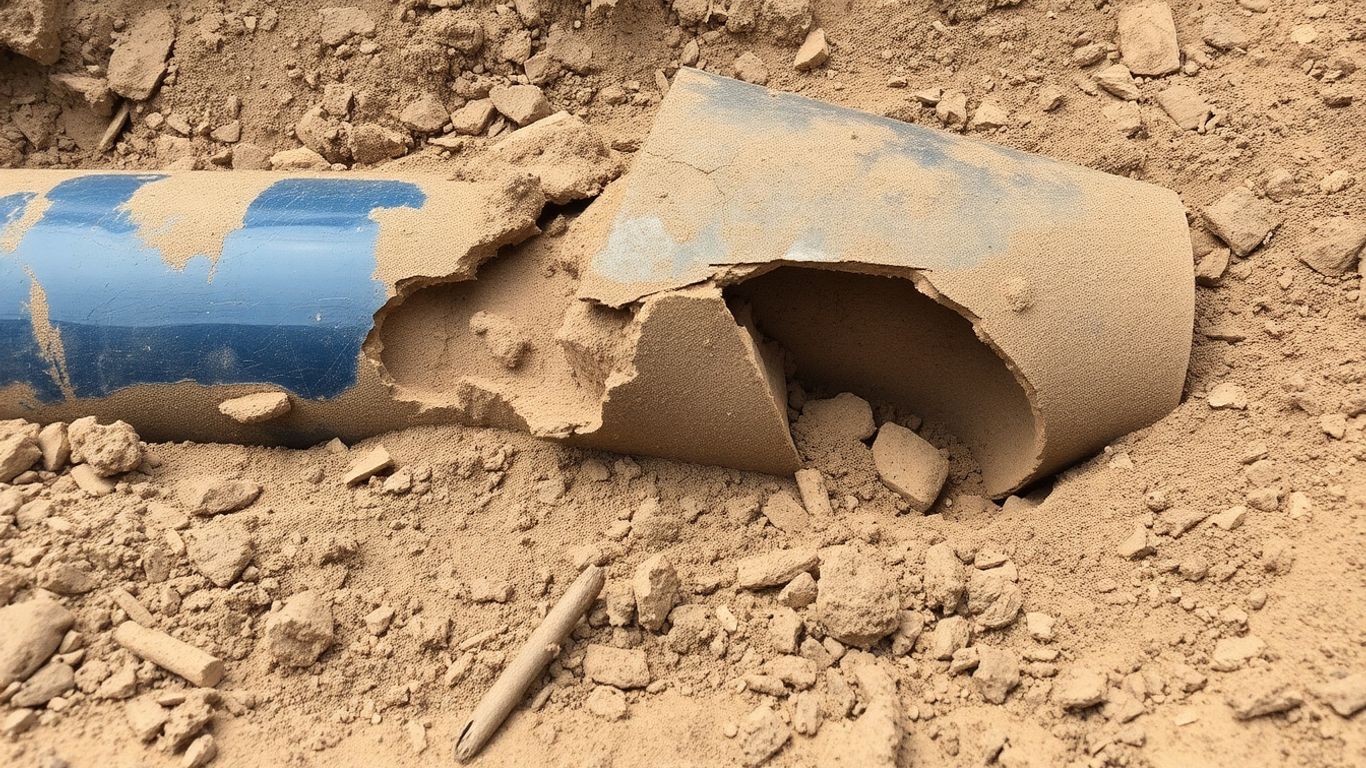
Sometimes, the most obvious signs that something’s wrong with your underground sewer or water lines aren’t in the yard or the utility bills, but right there in your own home, messing with your everyday plumbing. If your toilets are acting weird or your drains are constantly backing up, it’s a pretty strong hint that the problem isn’t just a simple clog.
Frequent Toilet or Drain Backups
Okay, we’ve all dealt with a clogged sink or a toilet that needs a little extra persuasion from the plunger. But when it starts happening all over the house, and I mean all over – your shower, your kitchen sink, your toilets, all at once or in quick succession – that’s usually not just bad luck. This widespread backup points to a bigger issue, likely a blockage or even a collapse somewhere in your main sewer line. Think of it like a traffic jam on the highway; if one car stops, it backs everything up for miles. When your main line is compromised, wastewater has nowhere to go but back up into your home. It’s messy, it’s gross, and it’s a clear signal that excavation might be needed to get to the root of the problem.
Toilet Water Levels That Fluctuate Unpredictably
Have you noticed your toilet bowl water level doing its own thing? Sometimes it’s higher than usual, and other times it seems to drop way down, all without you even flushing it. This kind of unpredictable fluctuation can be a real head-scratcher. It often means there’s a problem with air getting trapped in your pipes, which usually happens when there’s a clog or a crack in the sewer line. This trapped air can’t escape properly, and it messes with the water levels. If you see this happening, especially if it’s accompanied by gurgling sounds or slow drains, it’s definitely time to get a professional to take a look before it leads to a full-blown overflow or sewage backup.
Ignoring these plumbing quirks can turn a manageable repair into a major headache. What seems like a minor inconvenience today could escalate into a costly emergency if the underlying sewer or water line issue isn’t addressed promptly. It’s always better to be safe than sorry when it comes to your home’s essential systems.
Here’s a quick rundown of what these backups and fluctuations might mean:
- Widespread Slow Drains: If multiple fixtures drain slowly, the main line is likely obstructed.
- Recurring Clogs: Drains that clog repeatedly, even after clearing, suggest a persistent problem in the main pipe.
- Gurgling Noises: These sounds often indicate air being pushed back through the pipes due to a blockage.
- Unusual Toilet Behavior: Fluctuating water levels or toilets that flush on their own are red flags.
- Foul Odors: If you smell sewage, it means gases are escaping through cracks or leaks.
Don’t wait until your home is flooded with wastewater. If you’re experiencing these plumbing malfunctions, it’s a strong indicator that underground sewer or water line excavation might be necessary.
External Factors Suggesting Sewer Line Problems
Sudden Increase in Rodent or Pest Infestations
It might seem odd, but a sudden surge in unwelcome critters like rats, mice, or even certain bugs around your property, especially near the foundation or in the basement, could be a sign of trouble brewing underground. These pests are often attracted to the moisture and odors escaping from a compromised sewer line. A broken or leaking pipe creates an accessible entry point and a tempting environment for them. So, before you call the exterminator, it might be worth checking if your sewer line is the real culprit.
Cracks Appearing in Foundations or Patios
Seeing new cracks in your home’s foundation, driveway, or patio? While ground settling can cause minor cracks, significant or rapidly appearing fissures can indicate a more serious issue. Wastewater leaking from a damaged sewer line can saturate the soil beneath your structures, weakening its support and leading to subsidence. This gradual erosion and shifting of the ground can put immense pressure on your foundation, walls, and even outdoor concrete surfaces, causing them to crack and deteriorate over time. Ignoring these signs could lead to much more extensive and costly repairs down the line.
It’s not just about the smell or the slow drains anymore. These external indicators are your property’s way of telling you something’s wrong beneath the surface. Ignoring them can turn a manageable problem into a major headache, potentially impacting your home’s structural integrity and value. If you notice any of these external signs, it’s a good idea to get a professional opinion on your underground sewer system health.
Considering the Age of Your Infrastructure
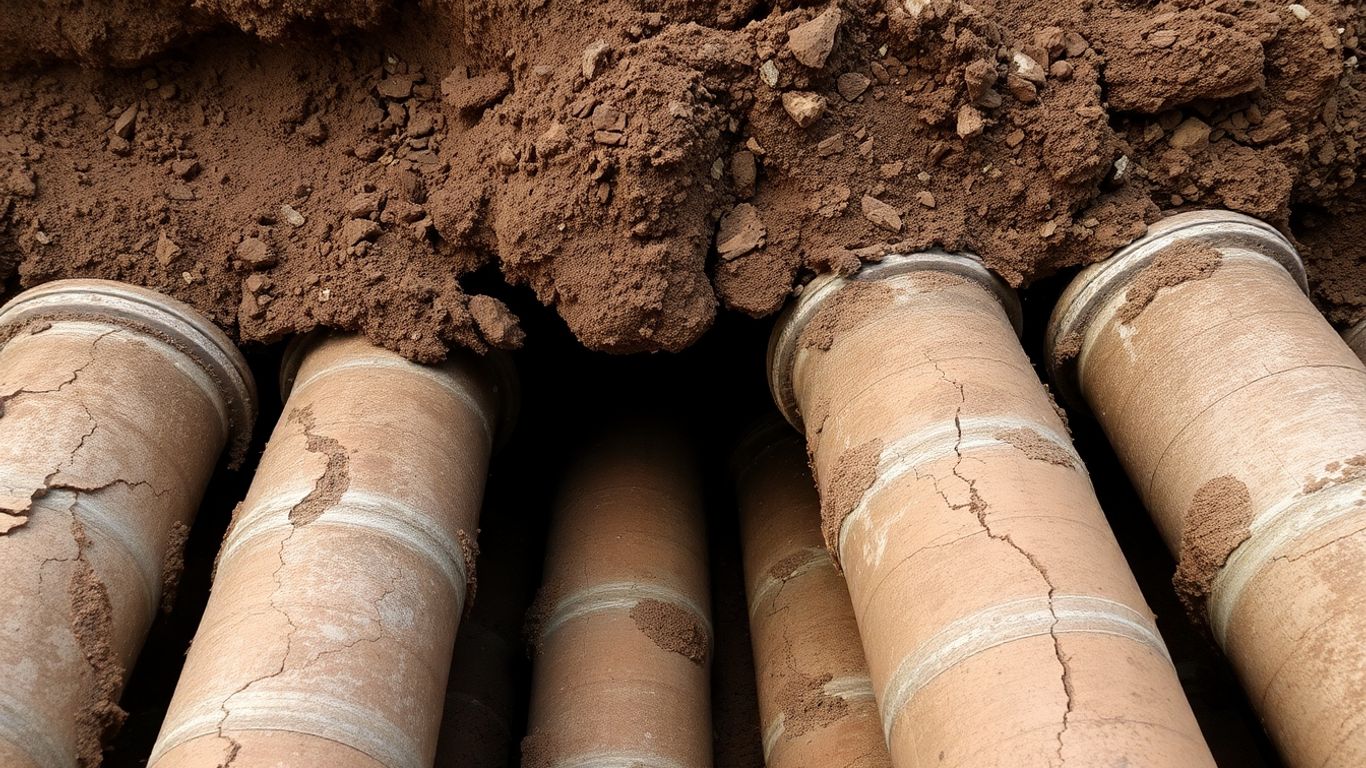
Sometimes, the biggest clue that you might need underground sewer or water excavation isn’t a dramatic gurgle or a foul smell, but simply the age of your home’s plumbing system. Think of it like an old car; the older it gets, the more likely it is to have unexpected breakdowns. Your underground pipes are no different. They’ve been working hard, day in and day out, for decades, and eventually, they just wear out.
Aging Sewer Lines Prone to Failure
Many homes built in the mid-20th century or earlier might have sewer lines made from materials like clay or cast iron. These materials, while durable for their time, are now showing their age. Clay pipes can crack or become brittle over time, especially with shifts in the ground. Cast iron pipes are notorious for corroding from the inside out, which can lead to significant blockages and eventual collapse. If your home is over 40-50 years old, it’s a good idea to consider the condition of your original sewer lines. Even if you haven’t noticed major issues yet, these older systems are much more susceptible to failure. It’s often a matter of when, not if, a problem will arise. Regular inspections can help catch these issues before they become emergencies, potentially saving you from a much larger mess and expense. It’s wise to get a professional opinion on the state of your underground utilities, especially if you’re planning any major renovations or just want peace of mind.
Potential for Root Intrusion in Older Systems
Trees are beautiful, but their roots can be a real menace to underground pipes, especially older ones. Tree roots are always searching for water and nutrients, and a tiny crack in a sewer line can be like an open invitation. Once roots find their way in, they can grow and expand, causing significant damage and blockages. This is particularly true for older pipes that may already have small weaknesses. The older the system, the more likely it is to have developed these entry points for root intrusion. If you have mature trees on your property, especially near where the sewer line runs, this is a risk you can’t ignore. Sometimes, you might notice slow drains or recurring clogs, and if there are large trees nearby, it’s a strong indicator that roots could be the culprit. Addressing this early can prevent the need for extensive excavation.
The ground beneath our feet isn’t static. Soil expands and contracts with changes in moisture and temperature, and this constant movement puts stress on underground pipes. Over many years, this stress can lead to cracks, breaks, or even complete pipe collapse, especially in older infrastructure that lacks the flexibility of modern materials. Earthquakes or even heavy nearby construction can also cause ground shifts that damage buried lines.
Here are some signs that might point to issues related to aging infrastructure:
- Persistent slow drains across multiple fixtures in your home.
- Unexplained wet spots or unusually green patches in your yard, especially near the sewer line path.
- Recurring backups in toilets or drains, indicating a blockage that can’t be easily cleared.
- Noticeable sinkholes or ground depressions appearing in your yard.
- A sudden increase in your water bill without a corresponding increase in usage, suggesting a leak.
If your home’s plumbing is getting up there in years, it’s worth considering a professional inspection of your sewer lines. Companies specializing in underground utility work can perform camera inspections to see exactly what’s going on inside your pipes without having to dig everything up. This proactive approach can save you a lot of headaches down the road and help you plan for necessary sewer line replacement before a minor issue turns into a major disaster.
Don’t Wait for a Disaster: Address Sewer and Water Line Issues Now
So, if you’re noticing slow drains, weird smells, or soggy spots in the yard, those are your cues. It’s easy to put off dealing with underground pipes, but ignoring these signs can turn a small problem into a really big, expensive headache. Think of it like that weird noise your car started making – you can ignore it for a while, but eventually, it’s going to need fixing, and probably cost more then. Getting a professional to check things out now, before a pipe completely fails, can save you a ton of hassle and money down the road. It’s better to be safe than sorry when it comes to what’s buried beneath your property.
Frequently Asked Questions
What are the first signs that my sewer line might be in trouble?
You might notice slow drains in multiple places around your house, like sinks, showers, and toilets. Also, if you start smelling weird, sewage-like odors inside your home or coming from your yard, that’s a big warning sign. Gurgling sounds from your drains are another common clue that air is getting trapped because of a blockage.
Why would my yard have wet or soggy spots when it hasn’t rained?
This usually means there’s a leak in your underground sewer line. When pipes crack or break, wastewater can seep into the soil, making those areas unusually wet. Sometimes, these spots can even have a foul smell.
Could a leaky sewer line cause my water bill to go up unexpectedly?
Yes, absolutely! If your sewer line is leaking, water is escaping underground before it even gets to your fixtures. If you haven’t changed your water usage habits but your bill is suddenly much higher, a hidden leak is a likely culprit.
How can I tell if the problem is with my main sewer line and not just a single clogged drain?
If only one sink is draining slowly, it’s probably just a local clog. But if you’re experiencing slow drains or backups in several places at once – like your toilet, shower, and kitchen sink – it strongly suggests a problem with the main sewer line that runs under your property.
Is it possible for sewer line issues to attract pests?
Unfortunately, yes. The odors from a damaged or leaking sewer line can attract rodents like rats and mice, as well as other pests. If you suddenly see more bugs or rodents around your home, especially near the foundation, it might be worth checking your sewer line.
My house is over 50 years old. Should I be worried about my sewer lines?
Older sewer lines, especially those made from materials like clay or cast iron, are more likely to break down, crack, or get invaded by tree roots over time. Even if you’re not seeing obvious problems yet, it’s a good idea to have older sewer lines inspected regularly to catch potential issues before they become major problems.