


Dealing with water and sewer systems might not be the most glamorous topic, but it’s incredibly important. Think about it: no clean water, no place to drain your waste – life would be pretty tough. That’s where professional utility work comes in. It’s the unseen force keeping our towns and cities running smoothly. This isn’t just about digging holes and laying pipes; it’s about making sure our communities are healthy, safe, and can keep growing. Let’s look at why this work is so vital.
Key Takeaways
- Professional utility work is key to keeping our drinking water clean and preventing the spread of diseases through proper wastewater handling.
- Reliable water and sewer systems are the backbone of growing cities, supporting more people and new developments.
- Expert utility site services help avoid dangerous accidents, keep projects on schedule, and build infrastructure that lasts.
- Modern utility work uses smart tools like cameras and careful planning to make sure systems are installed right the first time.
- Proper installation, regular upkeep, and fixing problems quickly are all part of the job to keep water and sewer systems working without a hitch.
Ensuring Public Health Through Professional Utility Work
When you turn on the tap, you expect clean water. When you flush the toilet, you expect it to go somewhere safe. These aren’t magic tricks; they’re the result of a lot of hard work behind the scenes. Professional utility work is the backbone of keeping our communities healthy and safe. It’s about more than just digging trenches and laying pipes; it’s about protecting everyone from sickness and keeping our environment clean.
Safeguarding Water Purity and Preventing Contamination
Clean drinking water is something we often take for granted. But keeping it that way requires constant vigilance and skilled hands. Professional utility crews work to install and maintain the pipes that bring water to our homes. They also make sure these systems are sealed tight, preventing anything nasty from getting in. Think about old pipes – they can crack and let in soil or other contaminants. Professionals know how to spot these issues and fix them before they become a big problem. Regular inspections and prompt repairs are key to stopping contamination before it even starts. This work also involves setting up and checking backflow prevention devices, which stop dirty water from flowing back into the clean water supply. It’s a critical step that many people don’t even think about.
Efficient Wastewater Management for Disease Prevention
What happens after you use water is just as important as where it comes from. Wastewater systems need to work perfectly to carry sewage away from homes and businesses. If these systems fail, it can lead to serious health risks. Raw sewage can spread diseases like cholera and dysentery. Professional utility teams are responsible for building, cleaning, and repairing sewer lines. They use special tools, like cameras that go inside the pipes, to find blockages or damage. Getting wastewater treated properly before it’s released back into the environment is also a huge part of their job. This process removes harmful bacteria and chemicals, protecting both people and wildlife.
Protecting Ecosystems from Pollutants
It’s not just about human health; it’s about the planet too. When water and sewer systems aren’t managed well, pollutants can end up in our rivers, lakes, and oceans. This harms fish, plants, and the whole natural balance. Professional utility work plays a big role in stopping this. By making sure wastewater is treated and sewer lines don’t leak, they prevent harmful substances from reaching natural water bodies. This includes managing stormwater runoff, which can pick up oil, trash, and other gunk from streets and yards. Proper infrastructure helps filter and control this runoff, keeping our ecosystems cleaner and healthier for everyone.
The Critical Role of Utility Work in Urban Development
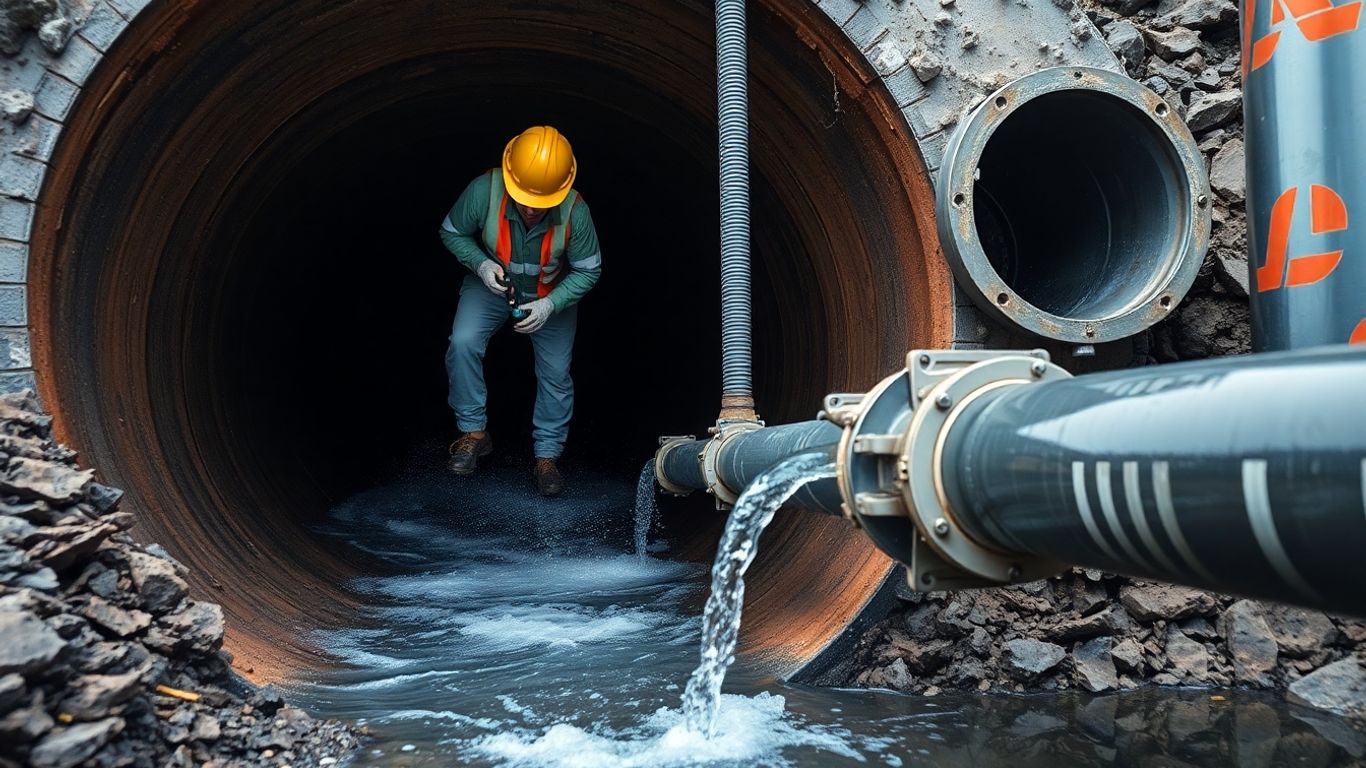
Cities are growing, and with that growth comes a big need for solid infrastructure. Think about it: where does all the water come from to keep things running, and where does it all go afterward? That’s where professional utility work really steps in. It’s not just about digging trenches; it’s about building the hidden systems that make city living possible and safe.
Laying the Foundation for Sustainable City Growth
When we talk about building a city, we often picture skyscrapers and roads. But underneath all that, there’s a whole network of pipes and lines that are just as important, if not more so. Professional utility crews are the ones who install and maintain these systems. They’re responsible for getting clean water to homes and businesses and then taking away the wastewater. Getting this right from the start means the city can grow in a way that’s healthy and doesn’t cause problems down the line. It’s about planning for the future, not just for today.
- Water Distribution: Making sure clean water gets where it needs to go, reliably.
- Wastewater Removal: Safely taking away used water to prevent health hazards.
- Stormwater Management: Handling rain and runoff to avoid flooding.
Supporting Growing Populations with Reliable Infrastructure
As more people move into cities, the demand on water and sewer systems goes up. Utility work plays a big part in keeping up with this. It means not only installing new lines but also making sure the old ones can handle the extra load or replacing them if they can’t. This work is what allows cities to expand and welcome new residents without their basic services failing.
Without a strong, well-maintained water and sewer system, a city simply can’t support a large population. It’s the unseen backbone that allows everything else to function.
Enhancing Livability Through Essential Services
What makes a city a good place to live? Sure, there are jobs and entertainment, but the basics matter. Having reliable access to clean water and a working sewer system is non-negotiable. When these systems are managed by professionals, it means fewer disruptions, less risk of contamination, and a generally more comfortable and healthy environment for everyone. It’s the kind of service you don’t think about until it’s gone, and that’s exactly why professional utility work is so important for making urban life work.
Minimizing Risks with Expert Utility Site Services
When you’re building something, whether it’s a new house or a big commercial spot, there’s a whole lot going on underground that you might not even think about. That’s where professional utility site services come in. They’re not just about digging holes and putting pipes in the ground; it’s a lot more involved than that. These services are key to keeping your project safe, on track, and from costing you a fortune in unexpected fixes.
Preventing Accidents Through Advanced Hazard Identification
Digging into the earth can be risky business. You never quite know what’s lurking beneath the surface. Old forgotten pipes, electrical lines, or even gas mains could be hiding there. Professionals use special tools, like ground-penetrating radar and electromagnetic locators, to map out what’s already there before any heavy equipment even shows up. This careful approach helps avoid hitting something dangerous, which could cause serious injuries or major damage. It’s all about knowing the underground landscape before you start disturbing it.
Avoiding Costly Rework and Project Delays
Nobody likes delays, and they can really blow up a budget. A common reason for these hold-ups is running into unexpected problems underground. Maybe a pipe isn’t where the old plans said it was, or perhaps the soil conditions are way different than expected. Good utility site services start with thorough planning and site assessments. They figure out the best way to route new lines, coordinate with existing systems, and plan for any tricky spots. This upfront work means fewer surprises down the road, keeping the project moving smoothly and saving money on fixing mistakes or waiting for new plans.
Future-Proofing Infrastructure for Long-Term Reliability
Think about the future when putting in water and sewer lines. It’s not just about meeting today’s needs. Professional utility work considers how a community or a building might grow. This means installing pipes that can handle more flow later on, planning routes that make future maintenance easier, and using materials that are built to last. It’s about building systems that won’t need a complete overhaul in just a few years. This foresight saves a lot of headaches and money for property owners and the community down the line.
Advanced Techniques in Modern Utility Work
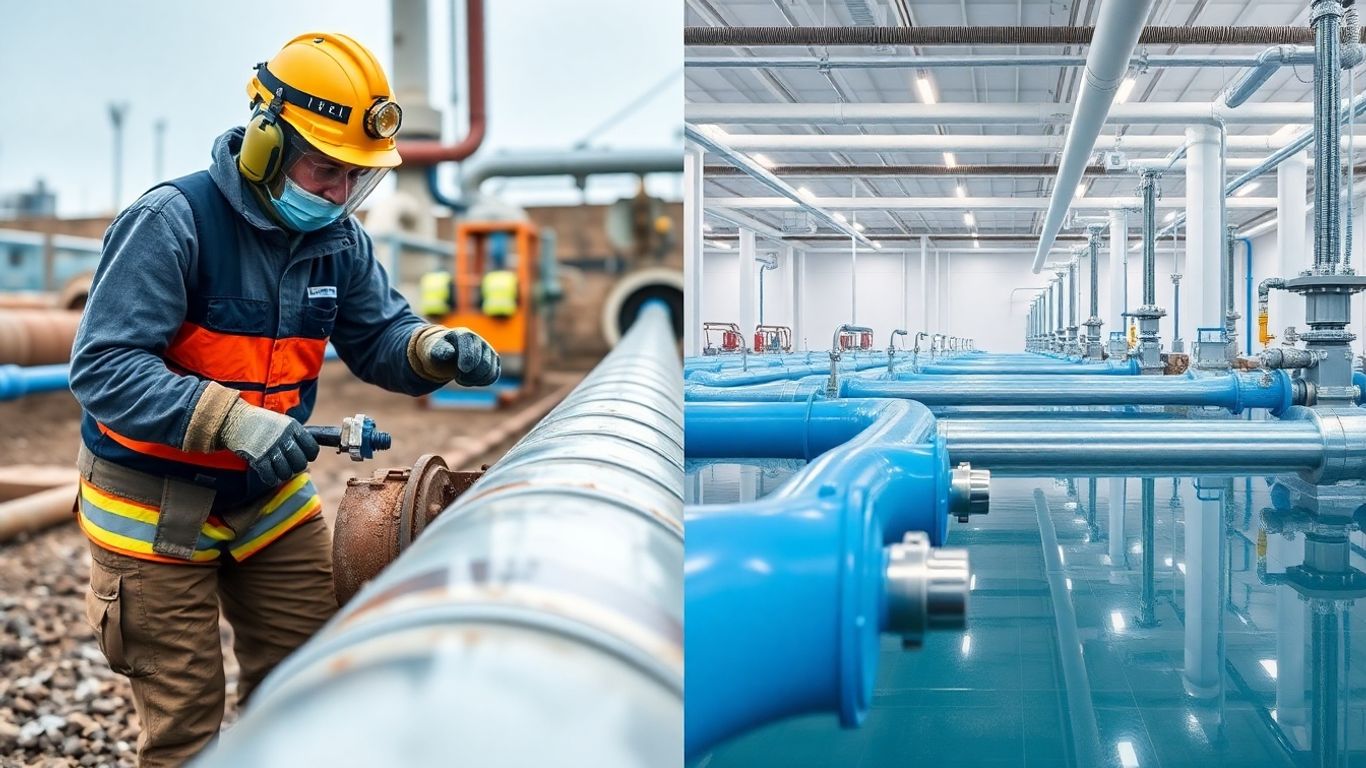
Gone are the days of just digging and hoping for the best when it comes to water and sewer lines. Today’s utility work is way more sophisticated, using some pretty neat tech to get the job done right. It’s all about being smart, precise, and planning ahead.
Utilizing Sewer Cameras for Precise Diagnostics
Remember when figuring out what was wrong with a sewer line meant a lot of guesswork and digging up large sections of yard? Well, that’s mostly a thing of the past. Professionals now use waterproof cameras that can be sent right into the pipes. These cameras give a live video feed, showing exactly where a blockage is, if there’s a crack, or if roots have gotten in. This means repairs are much more targeted, saving a ton of time and money. It’s like a doctor using an X-ray, but for pipes.
Here’s a quick look at what these cameras help find:
- Cracks or breaks in the pipe material
- Obstructions like grease buildup or foreign objects
- Root intrusion from nearby trees
- Pipe sagging or collapses
- Improper connections or joints
Implementing Strategic Site Planning for Optimal Routing
It’s not just about laying pipes; it’s about laying them in the smartest way possible. This involves looking at the whole site before any digging starts. Utility professionals consider things like:
- Where existing underground lines are (water, gas, electric, other sewer lines)
- The best path to connect new lines to existing systems
- How to route lines to make future maintenance easier
- Avoiding areas prone to soil instability or flooding
This kind of planning helps avoid problems down the road, like having to dig up a newly paved road to fix a pipe that was poorly placed. It’s about building it right the first time.
Thinking about future needs is a big part of modern utility work. It’s not just about what the system needs today, but how it will handle growth and changes over the next 20, 30, or even 50 years. Smart routing and installation make a huge difference in long-term reliability and cost.
Employing High-Quality Materials for Durable Solutions
What goes underground needs to last. Using cheap or incorrect materials can lead to premature failures, leaks, and costly repairs. Modern utility work emphasizes using materials that are built to withstand the pressures and conditions they’ll face for decades. This includes:
- Durable pipe materials like PVC, ductile iron, or HDPE, depending on the application.
- Corrosion-resistant fittings and joints.
- Proper bedding and backfill materials to support the pipes.
Choosing the right materials might cost a bit more upfront, but it pays off by reducing the need for frequent repairs and replacements, making the entire system more reliable and cost-effective over its lifespan.
Comprehensive Utility Work for Seamless Operations
When it comes to keeping our water flowing and our sewers clear, it’s not just about digging trenches and laying pipes. There’s a whole lot more that goes into making sure these systems work right, day in and day out. Think of it like the plumbing in your own house, but on a much, much bigger scale. Professional utility work covers everything from putting in new pipes to fixing them when they break, and even upgrading them so they can handle more.
Installation and Maintenance of Water and Sewer Systems
Putting in new water and sewer lines is a big job. It requires careful planning to figure out the best path for the pipes, avoiding other underground stuff like power lines or gas mains. Once they’re in, they need regular check-ups. Maintenance isn’t just about waiting for something to go wrong; it’s about preventing problems before they start. This can involve cleaning out pipes, checking for leaks, and making sure everything is connected properly. Regular maintenance is key to a long-lasting system.
Troubleshooting and Prompt Repair of System Failures
Even with the best maintenance, things can still break. When a water main bursts or a sewer line gets blocked, it needs to be fixed fast. That’s where the troubleshooting part comes in. Utility crews have to figure out exactly where the problem is and what’s causing it. Sometimes it’s a simple fix, but other times it can be more complicated, especially if the issue is deep underground or in a hard-to-reach spot. Getting these repairs done quickly is important to stop further damage and get services back to normal.
Upgrades and Retrofitting for Enhanced Efficiency
Our towns and cities are always growing, and so are our needs. Older water and sewer systems might not be able to keep up with the demand. That’s where upgrades and retrofitting come in. This could mean replacing old, worn-out pipes with newer, stronger ones that can handle more water flow. It might also involve adding new technology to make the system smarter and more efficient. For example, updating old sewer lines can help prevent backups and reduce the amount of groundwater that leaks into the system, which is a big win for both the city and the environment.
Making sure our water and sewer systems are up to par isn’t a one-time thing. It’s an ongoing process that involves careful installation, regular upkeep, quick fixes when needed, and smart upgrades for the future. It’s all about keeping the water clean and the waste moving safely away.
Compliance and Safety in Utility System Management
When it comes to water and sewer systems, just getting the job done isn’t enough. There’s a whole layer of rules and safety measures that professionals have to follow. It’s not just about digging trenches and laying pipes; it’s about making sure everything is up to code and won’t cause problems down the line. This adherence to regulations is what keeps communities healthy and infrastructure sound.
Adhering to Local Plumbing Codes and Regulations
Every town and city has its own set of rules for how water and sewer lines should be installed and maintained. These aren’t just suggestions; they’re legal requirements designed to protect public health and the environment. Professional utility workers spend a lot of time learning these codes, which cover everything from the depth of pipes to the types of materials that can be used. Getting it wrong can lead to fines, project shutdowns, and, worst of all, system failures that could contaminate water supplies or cause sewage backups. It’s a complex web, but staying on top of it is part of the job. For instance, regulations often align with national standards like those set by the EPA under the Safe Drinking Water Act, which sets minimum standards for drinking water quality Safeguarding Water Purity.
Ensuring Safety Through Backflow Prevention Devices
One of the more specific safety measures involves preventing backflow. Ever heard of it? Basically, it’s when wastewater or contaminated water tries to flow backward into the clean water supply. Yuck. Professional installations include specific devices, like backflow preventers, at key points in the system to stop this from happening. These devices are like one-way valves, only letting water flow in the correct direction. Regular testing and maintenance of these preventers are also part of the professional’s duty, making sure they’re always working as they should. It’s a critical step in keeping your tap water safe to drink.
Obtaining Necessary Permits for Legal Installations
Before any significant utility work can begin, permits are almost always required. Think of them as official permission slips from the local government. These permits ensure that the planned work has been reviewed and meets all the necessary safety and environmental standards. Utility professionals handle the often-tedious process of applying for and securing these permits. This involves submitting detailed plans and coordinating with various municipal departments. Skipping this step is a major no-no and can lead to serious legal trouble and costly rework if discovered later. It’s another piece of the puzzle that shows why professional oversight is so important for any utility project.
The Bottom Line
So, when you think about it, those folks working on our water and sewer lines are doing a lot more than just digging holes. They’re keeping our towns running, making sure we have clean water to drink and that waste is handled safely. It’s not the most glamorous job, sure, but it’s incredibly important for all of us. Without their know-how and hard work, our daily lives would be a lot messier and way less healthy. It’s good to remember that these systems need skilled hands to keep them working right, protecting our health and our environment for years to come.
Frequently Asked Questions
Why is hiring professionals for water and sewer work so important?
Professionals have the right training and tools to do the job safely and correctly. They know how to prevent problems like water contamination or sewer backups, which keeps everyone healthy and avoids costly fixes later on. Think of them as the experts who make sure your water is clean and your waste goes where it should, without messing things up.
How does professional utility work help our cities grow?
When cities get bigger, they need more water and ways to handle waste. Professional utility workers build and fix the pipes and systems that bring clean water to homes and businesses and take away dirty water. This strong foundation helps cities support more people and businesses, making them better places to live and work.
Can utility work on a construction site really stop accidents?
Yes, it absolutely can! Experts use special tools to find hidden pipes or wires underground before they start digging. This stops them from accidentally hitting something important, like a gas line or power cable, which could be very dangerous and cause big problems for the whole project.
What are those cameras they use in sewer pipes?
Those are sewer cameras! They’re like tiny, tough cameras on a long cable that professionals send into pipes. They can see exactly what’s wrong inside, like a clog or a crack, without having to dig up the whole yard. This helps them figure out the best way to fix the problem quickly and without making a mess.
What’s the difference between installing new pipes and fixing old ones?
Installing new pipes means putting in brand new water or sewer lines, often when a new building is going up. Fixing old ones, or ‘retrofitting,’ is about updating or repairing pipes that are already there but might be worn out or not working well. Professionals do both to make sure the whole system works smoothly, whether it’s new or old.
Do utility workers have to follow special rules?
Definitely. There are local rules, called codes, that say how water and sewer systems must be built and maintained to keep them safe and working right. Professional workers know these rules and make sure everything they do follows them. They also install safety devices, like backflow preventers, to stop dirty water from getting into the clean water supply.